
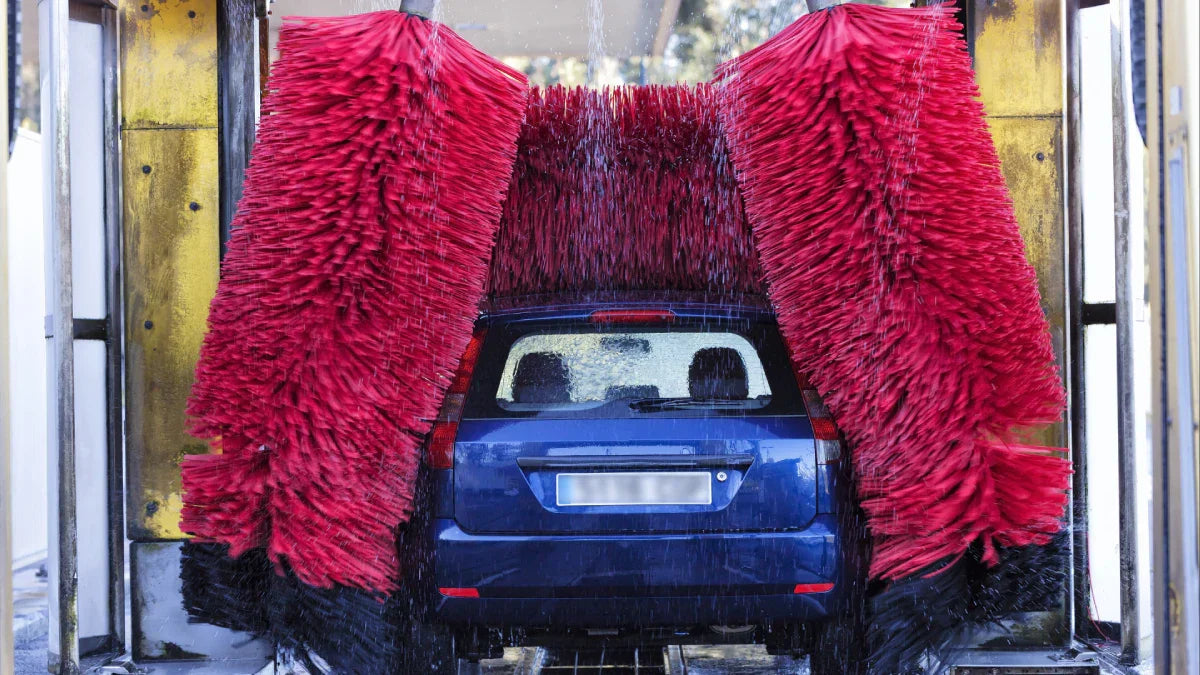
That familiar rumble as the conveyor belt engages, the hiss of the pre-soak jets, and the sight of giant, colorful brushes beginning to spin. For many car owners, the automatic car wash is a weekly ritual of convenience. But as you sit inside, watching soapy water cascade down your windshield, a nagging question often surfaces: Is all this machinery actually harming my car's paint?
It's a valid concern. You invest in your vehicle, and the last thing you want is for the very process meant to maintain its beauty to be the cause of unsightly scratches and swirls.
In this comprehensive guide, we'll demystify the process, break down the facts, and provide a definitive answer. We'll explore the different types of car washes, identify the real risk factors, and give you the knowledge to make the smartest, safest choice for your car.
The Quick, Honest Answer: It Depends
Let's get this out of the way immediately. The short answer is: it depends, but a modern, well-maintained car wash is generally safe for your car's paint.
The risk is not zero, but the horror stories of cars emerging covered in a web of new scratches are largely a relic of outdated technology. The safety of an automatic car wash today depends almost entirely on two factors: the type of car wash and its quality of maintenance.

Touchless vs. Soft-Touch: Understanding the Two Main Types
Not all car washes are created equal. The fundamental difference lies in how they physically (or don't physically) touch your car.
1. The "Soft-Touch" (Friction) Car Wash
This is the most common type, featuring the large, spinning rollers you're likely familiar with. However, the "brushes" of the past, made from harsh nylon bristles, have been replaced by a much safer alternative.
-
How it Works: Modern soft-touch systems use high-density, closed-cell foam or soft cloth strips. These materials are non-porous, meaning they don't absorb dirt and grit from previous cars. Paired with a constant stream of water and specialized soap, they gently scrub the surface of your vehicle to remove grime.
-
The Risk: The potential risk, though low with modern equipment, comes from friction. If the car wash operator fails to maintain the equipment, or if the pre-wash cycle is inadequate, dirt and debris could theoretically be dragged across the paintwork.
-
The Reward: They offer superior cleaning power. The gentle friction is highly effective at removing stubborn, road-film grime that chemical-only washes might miss.

2. The "Touchless" (Frictionless) Car Wash
As the name implies, a touchless car wash cleans your vehicle without any physical contact from brushes or cloth.
-
How it Works: These systems rely on a multi-stage process of applying high-pressure water jets and strong, specialized chemical detergents. The chemicals are designed to break down and lift dirt from the surface, and the high-pressure rinse blasts it away.
-
The Risk: The primary risk here is not from scratches, but from the harshness of the chemicals. If the chemical mixture is too strong or isn't rinsed off completely, it can potentially degrade your car's wax or sealant over time, dulling the finish. Furthermore, the high-pressure jets can be problematic for cars with existing paint chips or cracked windshields, potentially worsening the damage.
-
The Reward: It's the ultimate low-contact option. For owners of brand-new cars or those with pristine, professionally corrected paint, the complete lack of physical contact provides peace of mind.

4 Key Factors That Determine if a Car Wash is Safe
Regardless of the type, the true measure of a car wash's safety comes down to its quality and operational standards. Here’s what really matters:
-
Quality and Maintenance of Equipment
This is the single most important factor. A top-tier soft-touch wash with brand-new, clean foam brushes is infinitely safer than a neglected, dirty touchless wash. Look for facilities that are clean, modern, and appear well-maintained. -
The Importance of a Pre-Wash Cycle
Before any brushes or high-pressure jets touch your car, a crucial step should occur: a thorough, low-pressure rinse or pre-soak. This essential stage is designed to remove the largest, most abrasive particles of dirt and sand. A car wash that skips or shortens this step is dramatically increasing the risk of scratches. -
Water Filtration and Re-use
Car washes use a tremendous amount of water, and most recycle it. High-quality facilities invest heavily in sophisticated filtration and reclamation systems to ensure that the water being sprayed on your car is free of the dirt removed from the vehicle in front of you. -
The Quality of Drying Methods
How a car is dried can also impact your paint. The giant, powerful blowers are generally safe. However, if the service includes a final hand-dry with towels, pay attention. Are the attendants using clean, plush microfiber towels for every car? Or are they using the same worn, potentially dirty cotton towel over and over? The latter is a recipe for fine scratches.
🌟 Pro Tip: Bring Your Own Professional Drying Solution
Many car enthusiasts and detailing pros don’t leave the final finish to chance. To ensure a truly scratch-free, showroom shine, they choose to handle the final drying stage themselves with a dedicated, high-performance tool.
Introducing: SwipeDry The Ultimate Microfiber Car Drying Towel
If you're serious about protecting your vehicle’s clear coat, our professional-grade drying towel is the perfect companion. Engineered with ultra-plush, high-GSM microfiber, it’s designed to:
-
Absorb 10x Its Weight: One single pass is all it takes to lift water away, minimizing friction and eliminating the need for repetitive rubbing.
-
Scratch-Free Silk Edges: We’ve eliminated rough, surged borders to ensure even the most delicate paint remains pristine.
-
Ultra-Soft Twist-Loop Weave: Specially crafted to trap any remaining microscopic dust particles deep within the fibers, keeping them away from your paint.

👉 Click Here to Shop Our Professional Drying Towel Collection – Protect Your Investment Today!
How to Protect Your Car from Potential Damage
You can also play an active role in safeguarding your vehicle's finish.
-
Apply a Quality Wax or Ceramic Coating: A robust layer of wax or a professionally applied ceramic coating acts as a sacrificial barrier. It provides lubrication and protection, ensuring that if any minor friction occurs, it's the coating—not your clear coat—that takes the impact.
-
Visually Inspect the Facility: Before you pay, take a quick look. Does the facility look clean and modern? Are the brushes or foam strips visibly tattered or caked with grime? Trust your gut. If it looks poorly maintained, it probably is.
-
Fold in Your Mirrors: Most modern car washes are designed to navigate around mirrors, but folding them in minimizes the risk of an accidental snag.

The Verdict: Make the Smart Choice for Your Car
So, will an automatic car wash damage your paint? No, it shouldn't—provided you choose wisely.
Dismiss the outdated fear of all automatic washes being "scratch machines." Instead, become an educated consumer. A modern, well-maintained soft-touch car wash that uses clean foam equipment and has a thorough pre-wash cycle is arguably the best balance of cleaning effectiveness and safety for the average car owner. For those with priceless show cars or freshly applied ceramic coatings, a high-quality touchless car wash offers that extra peace of mind.
The real enemy of your car's paint isn't the car wash itself; it's neglect—both yours and the operator's. By choosing a reputable facility and keeping your car's finish protected, you can enjoy the convenience of an automatic wash without the worry.
Share:
What is GSM in Towels? The Ultimate Guide to Density, Testing & Care
How Often Should You Wash Your Car? The Ultimate Seasonal Guide.