
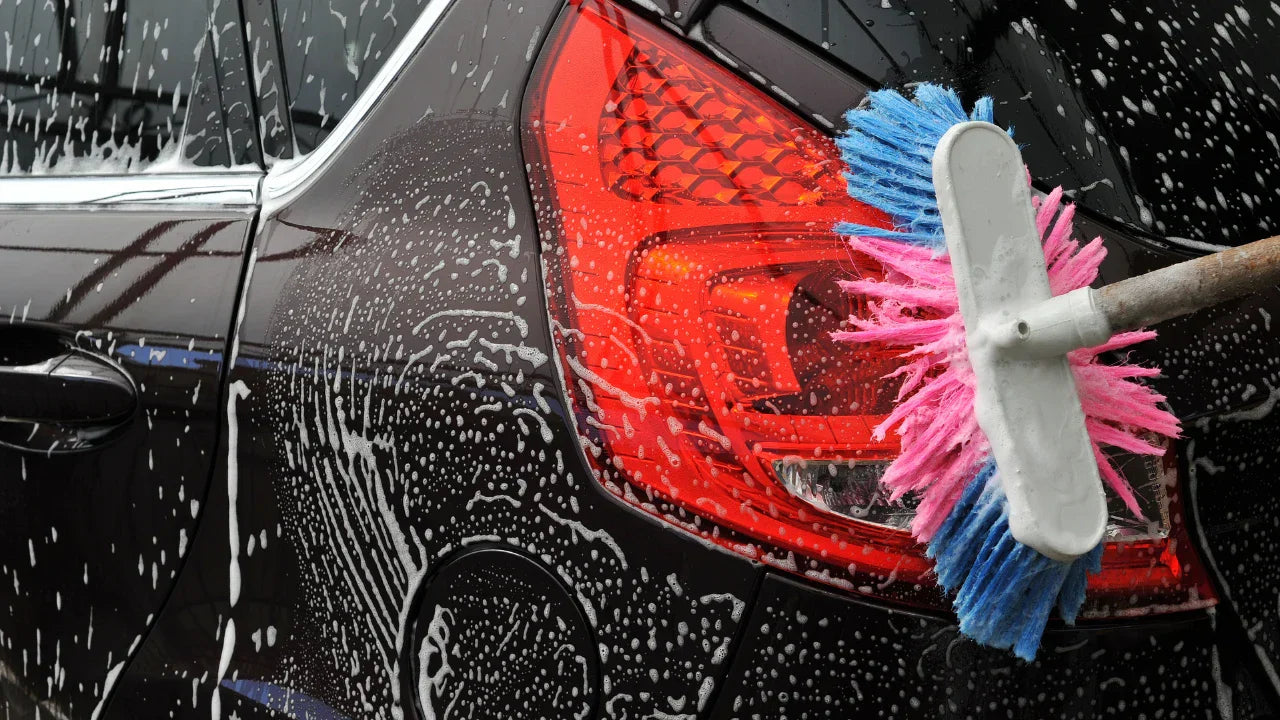
Maintaining a pristine vehicle is about more than just aesthetics; it's about protecting one of your most significant investments. While the common "bi-weekly wash" is a good starting point, the reality is that your driving environment and habits dictate a much more specific schedule.
In our previous deep dive, we explored whether automatic car washes damage paint. Today, we tackle the "When." If you leave contaminants on your clear coat for too long, you risk permanent damage. Conversely, washing too often without the right tools can lead to swirl marks.
The Quick Reference: Car Wash Frequency Guide
To help you decide how often to head to the wash or pull out the bucket, we've categorized the most common American driving scenarios.
| Driving Scenario | Recommended Frequency | Primary Concern |
|---|---|---|
| Average Commuter | Every 2 Weeks | General road film and dust accumulation. |
| Coastal Living | Once a Week | Salt air corrosion and rust. |
| Off-Road / Muddy Areas | Immediately After Use | Trapped moisture in mud leading to underbody rust. |
| Winter / Salted Roads | Once a Week | Corrosive road salt eating brake lines and paint. |
| Parked Under Trees | Every 3-5 Days | Acidic bird droppings and sticky tree sap. |
| Daily Highway Commute | Once a Week | High-speed bug splatter and industrial fallout. |
Why Frequency Matters: The Science of Paint Damage
According to automotive experts at Consumer Reports, certain contaminants are time-sensitive. Bird droppings and bug guts are highly acidic; when heated by the sun, they chemically bond to your paint, causing "etching" that cannot be washed away—it must be polished out.
Furthermore, the NHTSA highlights that road salt is the leading cause of vehicle corrosion in the United States. If you aren't rinsing your undercarriage weekly during the winter, you are significantly shortening the lifespan of your vehicle's structural components.

The Paradox: More Washing = More Risk?
Here is a secret that professional detailers know: Most scratches aren't caused by dirt; they are caused by poor drying techniques.
If you increase your wash frequency to protect your paint, but you continue to dry your car with an old bath towel or a cheap rag, you are actually doing more harm than good. Frequent washing requires a professional-grade drying solution to ensure that you aren't introducing "swirl marks" during the most critical stage of the process.
🌟 Pro Solution: The 5-Minute Professional Dry
If you've committed to a regular maintenance schedule, you need a tool that respects your paint as much as you do.
Our Professional Microfiber Car Drying Towel is designed for the enthusiast who refuses to compromise. When you're washing weekly or bi-weekly, speed and safety are everything.
| Feature | Why It Matters for Frequent Washers |
|---|---|
| Ultra-High GSM | Absorbs massive amounts of water instantly, preventing water spots. |
| Twist-Loop Weave | Lifts water off the surface without the need for aggressive "scrubbing." |
| Scratch-Free Edges | Silk-banded borders ensure zero friction on your delicate clear coat. |
| One-Pass Drying | Dry an entire SUV in minutes, reducing the time your paint is exposed to minerals. |
[👉 Shop Now: The Must-Have Tool for Every Frequent Car Wash]
Seasonal Strategy: Adjusting to the Elements
1. Winter: The Corrosion Battle
In the North, salt is your enemy. You must wash at least once a week. Focus heavily on the wheel wells and the undercarriage. Pro Tip: Always dry your door seals thoroughly with a Microfiber Towel to prevent them from freezing shut overnight.
2. Summer: The Heat Factor
UV rays accelerate the damage caused by bird droppings and sap. While every two weeks is fine for the body, you should "spot clean" organic messes daily. Never wash your car in direct sunlight, as the water will evaporate too quickly, leaving stubborn mineral deposits.

The Financial Verdict: Resale Value
Ultimately, a clean car is worth more money. Kelley Blue Book notes that the exterior condition is a primary factor in vehicle valuation. A car with "Excellent" paint can be worth $1,000 to $3,000 more than the same model with faded, swirled, or etched paint.
Conclusion: Stick to the Two-Week Rule, increase frequency in the winter or near the coast, and always invest in a Professional Drying Towel to ensure your cleaning efforts actually preserve—rather than destroy—your vehicle's finish.
Share:
Will an Automatic Car Wash Damage Your Paint? The Definitive Answer.
The Complete 2026 Guide: Self-Service Car Wash Cost to Build & Profitability